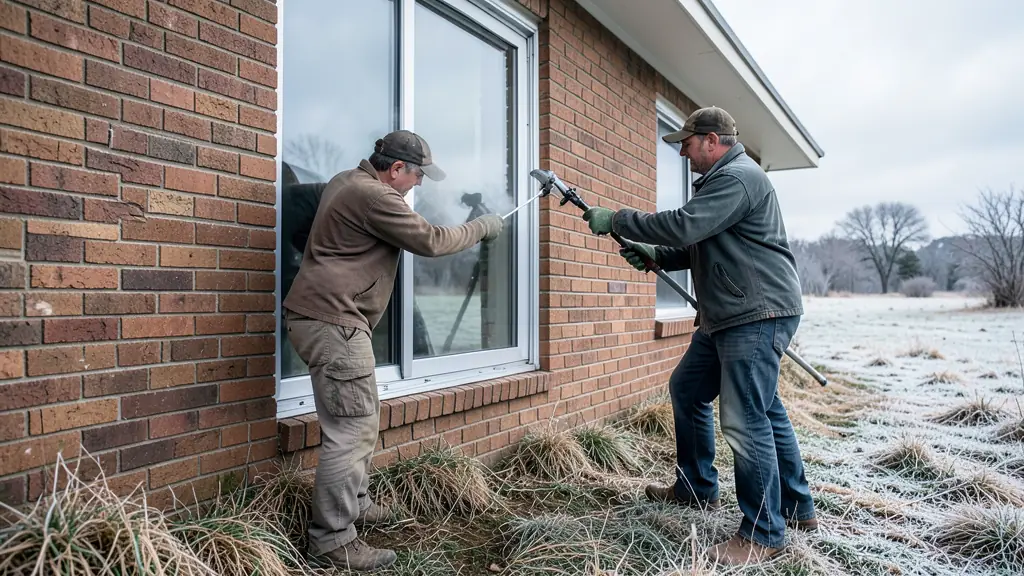
Window double glazing uses two panes of glass with a sealed gap between them, which cuts heat loss in winter and heat gain in summer. TemperedGlass.co.za is a free quote service. You fill in one form and we pass your request to independent glaziers and window suppliers in your area, who quote you directly. We do not make or install double glazing ourselves. There is no fee and no obligation, and you can compare quotes for new frames, retrofit and different glass types before you decide.
How double glazing works
A double glazed unit, also called an insulated glass unit, has two panes separated by a spacer, with the edges sealed. The gap holds air or an inert gas and slows the flow of heat. It also reduces noise and condensation on cold mornings, and it can limit fading of curtains and floors.
- Low-E coating: a thin layer that reflects heat back into the room.
- Solar control glass: cuts strong sun and glare.
- Laminated or toughened panes: add safety or security.
New frames or retrofit
Double glazing is usually fitted in aluminium or uPVC frames. Many standard aluminium frames are too shallow for a sealed unit, so retrofit double glazing for aluminium windows often means new frames or new sashes. Some systems keep your existing frame. Ask the supplier what your windows can take, and whether the work can be done room by room.
On the Highveld, double glazing makes cold winters easier. At the coast, it helps with noise and wind, and frames and fittings should resist salt air. Ask the supplier which spacer and sealant they use.
What to check before you order
Double glazed units are made to size, so there is usually a lead time. Measure after the supplier has checked your frames.
- Safety glass: ask your glazier to confirm what the regulations require for your opening.
- Sun-facing panes: large panes in full sun can crack from heat, so ask about glass type.
- Body corporate: external changes may need approval.
- Seal life: ask the supplier about the unit seal and any cover.
- Ventilation: a sealed home still needs openable windows or vents.
What affects your quote
We never give prices here. Suppliers prefer to quote for your actual windows. They will look at:
- The number and size of windows or doors.
- New frames or fitting into existing ones.
- Type of glass: Low-E, solar control, laminated or toughened.
- Frame material and finish.
- Delivery distance, access and floor height.
Odd shapes, arched windows and very large panes cost more to make. A list of window sizes and a few photos help you get quotes you can compare.
Comparing quotes for double glazing
The lowest figure is not always the best deal. When your quotes arrive, check:
- Glass: the type, thickness and finish allowed for, and that it carries the safety mark where it must.
- Hardware: the hinges, clamps, channels, spigots or frames included, and their finish and grade.
- Measuring and lead time: who measures, how long the toughened glass takes to arrive, and when it can be fitted.
- Guarantee and terms: any workmanship guarantee, deposit, payment stages, removal of old glass and how long the price holds.
What to include in your request
- List the width and height of each window.
- Say if the frames are aluminium, steel or wood.
- State whether you want new frames or retrofit.
- Mention your main aim: warmth, noise or security.
- Give your suburb and the floor level.