
What Are Tempered Glass Phone Cases
Defining Tempered Glass as a Case Material
Tempered glass is four to five times stronger than standard annealed glass, which sounds impressive until you remember standard annealed glass breaks on a bad Tuesday. As a phone case material, this glass gets molded into a shell that provides clarity and a rigid feel. In South Africa, where dropped phones commonly hit concrete, this definition matters.
When you ask are tempered glass phone cases good, you are really comparing clarity with rigidity. These cases look great and feel smooth. They also carry specific tradeoffs:
- They add weight to an already substantial phone.
- They resist scratches but crack under sudden point impacts.
- They transmit shock directly to the phone frame.
Tempered glass as a case material absorbs limited force. The case can break under impact, but only at certain angles. So, are tempered glass phone cases good? They suit people who value a pristine look over durability!
The Manufacturing and Strengthening Process
Most people assume a tempered glass case starts strong. It does not. Manufacturers cut glass panels with CNC machines and diamond tooling. The hardening happens later, through thermal tempering or chemical strengthening.
Thermal tempering heats the glass to around 650 degrees Celsius, then rapidly cools it. Chemical strengthening places the glass in a potassium salt bath, swapping sodium ions for larger potassium ions. Both methods create a compressed outer layer that resists scratches.
The result is a shell with internal stress. Surface compression handles minor impacts, but once that layer cracks, the entire panel shatters. This tradeoff sits at the core of one question: are tempered glass phone cases good?
A manufacturing run follows these steps:
- Cut, grind, and shape the glass edges.
- Strengthen the glass, then polish and coat it.
This matters for South African buyers. Concrete drops test it harder than any factory floor does.
Differences Between Tempered Glass Cases and Screen Protectors
Tempered glass cases and screen protectors are often confused, but they serve different roles. A screen protector adheres directly to your display, absorbing scratches and impact before they reach the glass underneath. A tempered glass case, by contrast, wraps the back and edges of the device, leaving the screen exposed unless paired with a separate protector.
Consider what each product actually protects:
- Screen protectors: only the front display
- Tempered glass cases: the rear panel, corners, and side rails
- Full protection: combining both
In South Africa, where drop survival matters more than factory specifications, this distinction shapes buying decisions. I see this confusion daily in my work! The question of whether are tempered glass phone cases good depends on understanding that a case alone leaves your screen vulnerable. That gap matters if you are answering whether are tempered glass phone cases good for daily use.
Types of Tempered Glass Cases Available
Walk into any Cape Town phone shop and you will see tempered glass cases in two main forms. The first is a one piece glass shell that clicks over the device, offering a rigid, slim fit. The second pairs a glass rear panel with a flexible TPU bumper, which makes installation easier and adds shock absorption at the corners. Some brands also sell modular glass cases with separate frame pieces, allowing you to replace the back panel without purchasing a whole new case.
Frame material often determines drop performance more than the glass itself. A soft bumper handles impact, while the glass protects scratches and maintains that premium feel. When South Africans ask whether are tempered glass phone cases good, the real question is which type matches their grip style and drop risk.
Key Benefits of Choosing Tempered Glass Protection
Exceptional Scratch Resistance and Hardness
Every scratch tells a story, but most phone owners prefer a clean narrative. Tempered glass cases offer a hardness rating near seven on the Mohs scale, which means everyday pocket debris rarely leaves a mark. This resilience directly addresses the frequent question: are tempered glass phone cases good for long term use? The answer lies in their scratch resistance, a feature plastic cases simply cannot emulate.
Over months of handling, this protection translates into fewer visible blemishes and better screen clarity. The smooth surface also resists the gradual fogging that affects softer materials. For anyone who values a pristine device without constant worry, the hardness of tempered glass provides quiet confidence. I have seen phones without it, and the difference is stark!
High Impact Resistance and Shock Absorption
The question are tempered glass phone cases good often surfaces after that moment when your phone slips from your hand. In South Africa, uneven pavements and busy minibus taxis create ample chances for fumbles. Tempered glass cases manage drops through compressive stress. The outer surface stays in compression, so when the case strikes the ground, the force disperses across the panel instead of concentrating at one point.
That shock absorption protects the internal components, not just the visible screen. The glass might crack in a severe fall, but that crack is intentional. It absorbs the impact so the logic board, camera modules, and battery survive.
Consider what it withstands:
- Direct drops onto concrete from pocket height
- Corner impacts against table edges
- Repeated fumbles during daily commutes
The first drop usually answers whether are tempered glass phone cases good enough.
Preserving the Original Look and Feel of Your Phone
Many protective shells add bulk and hide the phone’s original design. Tempered glass cases keep the silhouette and weight intact. The clarity remains unmatched. You see the actual colour and metal finish, not a plastic approximation. The tactile feel is cool and smooth against your palm, not sticky. That matters when you already carry a coffee and a power bank down a Joburg street.
This approach preserves the original button sensitivity and wireless charging efficiency. The thin profile slides into a tight pocket without a tug. The question are tempered glass phone cases good depends on whether you accept a possible crack over a permanent ugly cover.
Consider the daily experience:
- You see the actual colour, not a plastic shell
- You maintain the original grip and texture
- You keep the device’s slim profile
The glass protects, but it does not hide. For people who actually like their device, that is the key benefit.
Enhanced Grip and Ergonomics
Are tempered glass phone cases good for daily handling? The answer often shows up in the hand. A bulky rubber case stretches your grip, pushing fingers apart and making the thumb reach longer. A glass case keeps the phone close to what the manufacturer intended. The weight distribution stays balanced, so it does not tip forward or backward during a one handed scroll. The edges meet the palm with a firm, precise seam. There is no squishy bounce, just a solid anchor.
- The thin profile reduces hand fatigue during long commutes.
- The rigid back stops the phone from flexing against your palm.
- Precise cutouts keep buttons reachable without shifting your hold.
The surface texture might be smooth, but the overall ergonomics improve because the device does not wobble. You are not fighting a slippery silicone sleeve. You are holding the original tool, with a protective layer that does not demand a new grip. For those who answer the question of are tempered glass phone cases good with a yes, the ergonomics are the quiet reason.
Compatibility with Wireless Charging and Accessories
Wireless charging and tempered glass cases get along surprisingly well. Most modern glass cases are thin enough that the charging pad’s magnetic field passes through without fuss. No need to remove the case at bedtime. That alone settles many debates about whether are tempered glass phone cases good for daily convenience.
Accessories also stay on friendly terms. Magnetic mounts, car holders, and pop sockets attach without fighting a thick rubber shell. The glass back does not interfere with NFC or Bluetooth signals.
- Qi charging works at full speed
- Magnetic accessories hold firmly
- Port cutouts align with cables and adapters
You get protection without becoming a prisoner to proprietary add-ons. The case stays out of the way while the phone does its job, which is the quiet mark of good design.
Potential Downsides to Keep in Mind
Brittleness and Shatter Risks
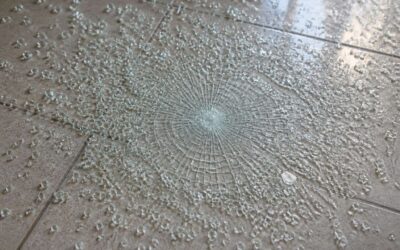
Tempered glass cases have a breaking point. Despite their hardness, they remain brittle. A concentrated impact or thermal spike can cause the entire panel to fracture into small, sharp fragments. This happens abruptly, without warning. The same internal tension that gives the glass its strength also makes it prone to catastrophic shattering.
So are tempered glass phone cases good in practice? They require careful handling. A drop onto a sharp edge or a rapid temperature change can crack the case, leaving your phone exposed. Repair or replacement becomes an extra expense, and the broken pieces may scratch the device itself.
Limited Edge Protection Compared to Bumper Cases
The smooth glass back catches the eye, but the edges deserve equal scrutiny. A tempered glass case stops short of wrapping around the device. A bumper case, by contrast, extends a soft raised lip over the screen and corners. That lip creates a buffer between the glass and the surface. The tempered glass case sits flush, leaving the edges exposed to the same force that strikes the back panel.
The practical differences appear quickly:
1. Bumper cases stand higher than the screen, keeping it off the table.
2. Tempered glass cases lie level with the screen, inviting direct contact with grit.
3. Bumper cases flex on impact, sparing the frame.
4. Tempered glass cases remain rigid, sending energy to the corners.
For shoppers in Johannesburg asking whether are tempered glass phone cases good, the geometry around the edges is a deciding factor.
Fingerprint Smudges and Oil Build-Up
Tempered glass attracts fingerprints. The smooth surface collects oils from your skin. Within minutes of use, the back of the case is covered in smudges. You will notice it more with darker phone colours.
In humid climates like Johannesburg, the problem worsens. Sweat mixes with natural oils on your hands, leaving a film that is hard to remove. A microfiber cloth becomes a permanent companion.
The list of annoyances grows:
- The case needs wiping several times a day.
- Smudges show up in photos taken with the rear camera flash.
- The glossy finish makes every fingerprint more visible than a matte case would.
Cleaning the case too often can wear down the oleophobic coating. Once that coating fades, the smudge problem becomes permanent. When you weigh whether are tempered glass phone cases good for your daily routine, remember that the maintenance is constant.
Weight and Bulk Considerations
Tempered glass adds heft. A typical glass case weighs 40 to 60 grams more than a slim silicone alternative. That extra weight changes how the phone sits in your hand. It changes how it sits in your pocket too.
I noticed it within a day! The device pulls down on a shirt pocket. Front pockets feel fuller. The bulk affects one handed use. Your wrist tires faster.
Here is what you gain with that size:
The case profile becomes thicker by 1 to 2 millimetres. The phone no longer slides into tight car mounts. Existing grips and popsockets fit awkwardly over the glass.
So when you ask are tempered glass phone cases good, consider the physical trade off. The protection arrives with a permanent addition. You feel the weight every time you reach for your phone.
Installation and Replacement Challenges
Installing a tempered glass case feels like defusing a bomb while wearing oven mitts. One misalignment and you are peeling off a cracked shell before you even own it. The glass has zero give, so it demands absolute precision.
Replacement brings its own drama. Once the glass shatters, tiny fragments cling to the frame. Removing them safely takes time. And if the case uses adhesive strips, you will battle sticky residue.
- Alignment must be perfect on the first attempt.
- Removal often damages the phone’s edges if you use tools.
- Spare parts are rarely sold separately.
So when you ask are tempered glass phone cases good, remember that installation and replacement tests your patience more than your phone.
Price Point and Durability Trade-Offs
Tempered glass phone cases cost more than plastic or silicone alternatives. In South Africa, expect to pay between R150 and R600 depending on brand and glass quality. That premium buys a specific feel and distinct hardness, but not indestructibility.
A plastic case flexes and absorbs repeat drops. A glass case cannot. When it fails, you pay again. The long-term cost climbs, turning are tempered glass phone cases good into a budget question.
Consider what you pay for:
- The tempering process, which drives manufacturing costs
- Precision fit around ports and buttons
- Brand markup across local retailers
A glass case can last years if handled gently. One bad drop ends it. The unpredictable lifespan makes the question are tempered glass phone cases good a difficult one to answer. You are paying for a product that demands careful handling, and that compromise matters as much as the material.
Tempered Glass vs. Other Popular Case Materials
Tempered Glass vs. Silicone and TPU Cases
Handle a silicone case and a tempered glass one side by side. Silicone yields to your grip; glass gives nothing. So are tempered glass phone cases good when measured against flexible rivals? The answer is in how each material ages under South African sunlight.
TPU cases absorb impact through elastic deformation. That works well, but the polymer never fully recovers. After months, the corners stretch and the case wobbles. Tempered glass retains its geometry, yet it transmits shock rather than absorbing it. That is a meaningful difference for drop-prone hands.
- Silicone softens when heated, increasing friction in your pocket.
- Glass maintains its surface hardness even on a 40 degree dash.
Chemical breakdown also separates them. Sweat and skin oils cause silicone to break down, while the vitreous surface of glass stays inert.
Tempered Glass vs. Polycarbonate Hard Cases
Polycarbonate hard shells arrive with a precise snap, and the fit feels confident. But polycarbonate is not tempered glass. On the Mohs scale, glass sits higher, so polycarbonate picks up micro-scratches from sand long before glass shows wear.
The structural question is where they diverge. Polycarbonate deforms under sustained pressure. Repeated trips in a tight pocket or a hot dashboard, common in South African summers, cause the polymer to creep and lose its hold. Tempered glass, though brittle against sharp impacts, keeps its shape without surrendering to heat.
- Polycarbonate flexes slightly on impact, transferring energy to the phone frame.
- Tempered glass transmits shock directly but distributes the load across its rigid surface.
For anyone asking are tempered glass phone cases good for daily use, the answer depends on whether you value clarity over plastic convenience. Polycarbonate is light and thin, but glass will not yellow or soften. The trade-off is weight.
Tempered Glass vs. Leather and Fabric Cases
Leather and fabric cases offer an old-world charm, but they also act like a sponge for every spilled cappuccino and hand cream dab. In South Africa’s climate, leather can warp, fabric can fade, and both can become a microbiome petri dish. Tempered glass, by contrast, simply shrugs and asks for a wipe.
Consider the care routine:
- Leather needs conditioning and protection from humidity.
- Fabric picks up lint, stains, and odours.
- Glass needs a quick polish and returns to its factory finish.
If you are still asking are tempered glass phone cases good for your daily driver, think about the last time you wanted to smell yesterday’s biltong on your phone case. Leather and fabric absorb; glass repels. That is the real difference.
Tempered Glass vs. Hybrid Cases for Drop Protection
Hybrid cases, the amalgamation of hard polycarbonate and flexible TPU, dominate the drop protection conversation. They dissipate kinetic energy through layered construction. Yet they also introduce a necessary compromise. Thick bezels, a looser fit, and a softened click response often follow. I have seen users trade away the phone’s original ergonomics for a false sense of security.
When you ask are tempered glass phone cases good, compare how each handles a fall. Hybrid cases deform and bounce, which helps on concrete but creates stress points at the seams. Tempered glass holds its shape, forcing the impact to spread across a wider area. That rigidity matters in everyday drops, where a sharp corner strike can pierce a hybrid’s bumper anyway.
Are Tempered Glass Cases Right for Your Lifestyle
Best Use Cases for Rugged and Outdoor Environments
On a sunny Cape Town trail, a tempered glass case feels like a solid choice. It resists scratches from sandy gusts and keeps the phone clear. Yet, that same glass can crack on a single granite impact in the Cederberg. So are tempered glass phone cases good for every outdoor trek? No. They suit specific conditions.
- Established hiking paths with soft soil
- Coastal boardwalks with salt spray
- Casual campsites without heavy gear movement
But for rock scrambling or bushwhacking through thorny vegetation, the limited edge protection becomes a clear disadvantage. A polycarbonate shell will absorb what glass cannot. Your decision about are tempered glass phone cases good should reflect the actual terrain you face daily.
Ideal Users Who Prioritize Aesthetics Over Bulk
Some people care about how their phone looks in their hand. For them, are tempered glass phone cases good? Yes, when the priority is preserving the phone’s original silhouette. A glass case adds almost nothing to the width of the device, so the hand feels the same aluminium edges and the screen remains the star.
This appeal suits professionals who slide the phone into a blazer pocket or a handbag without wanting a bulky case. The clarity of glass keeps the colour of the phone true, something a thick polycarbonate shell can hide. In daily life, are tempered glass phone cases good for these users? They are, provided the user handles the device with care.
- People who swap cases often, because glass cases remove easily
- Those who photograph their phone for product shots or content
This choice carries a trade. Aesthetic focus means accepting lower drop protection. The person who values beauty over bulk is not the person who drops the phone on concrete daily.
Scenarios Where a Traditional Case Is Better
Some lifestyles shake the confidence you place in a phone case. Are tempered glass phone cases good for a parent wrangling a toddler and a grocery trolley? I would argue no. Glass transmits impact rather than absorbing it, and the first corner drop can leave you with fractured shards and a bruised handset.
Consider a traditional case when your days involve:
- Workshop environments with metal tools and concrete floors
- Trail running or cycling where the phone rides in a handlebar mount
- A habit of balancing the phone on vehicle roofs while you open doors
These scenarios demand edge coverage and shock absorption that tempered glass simply does not offer. A TPU or hybrid case with air-cushioned corners wraps the device fully, and the soft outer layer grips surfaces that glass would slide across. The question, are tempered glass phone cases good, receives a different answer depending on whether you own a desk or own a drill.
Evaluating Your Own Protection Needs and Usage Habits
To answer whether are tempered glass phone cases good, you need to audit your own habits. I have seen Capetonians handle glass-clad phones with extreme care while Joburg commuters drop theirs without a second thought. The honest answer to are tempered glass phone cases good depends on your personal drop frequency.
Ask yourself some hard questions. Do you drop your phone while wrestling keys from your pocket? Does it slide off the armrest during load shedding blackouts?
Consider your last three months of phone ownership:
- How many drops have you survived?
- Does your phone share a bag with loose change or tools?
- Have you ever used a screen protector as a wedge?
If you answer yes to the first question repeatedly, glass will eventually crack. If you are careful, the glass case delivers a feel that plastic cases cannot match. Honesty about your habits settles the debate faster than any spec sheet.
How to Select a Quality Tempered Glass Case
Check for Real Tempered Glass and Certification
A genuine tempered glass case feels denser than ordinary glass, and its edges should catch light with a specific clarity. Certification matters here. Look for tempered glass that meets recognised safety standards, such as SABS approval or similar international benchmarks. The manufacturer should state the hardness rating openly. Many products claim 9H hardness, but the certification tells you whether that rating was actually tested under laboratory conditions.
When you inspect a case, you can also check for these markers:
- A distinct response to pressure, real tempered glass does not flex easily
- Homogeneous colour across the surface, no cloudy patches
- Packaging that lists compliance with international quality standards
Without that verification, a case may simply be annealed glass sold under a misleading name. The question of are tempered glass phone cases good often comes down to this certification step. A certified case gives you the impact resistance that the material promises.
Look for Reinforced Corners and Air Cushion Technology
To answer are tempered glass phone cases good, focus on how corners absorb force. A reinforced corner structure redirects energy from the screen, while air cushion technology creates a buffer that softens the fall. Look for these markers in the product description:
- Reinforced corners with raised internal ribs
- Air cushions at each corner, often labelled as shock absorption
- A frame that sits slightly above the camera lens
Quality tempered glass cases blend these features with certified glass. The combination matters more than a single specification. A case without corner protection may shatter even with 9H hardness, because the edge takes the first hit. Air cushions work best when they are sealed within the frame. Check that the glass aligns perfectly with the phone’s curves. Reinforced corners and air cushion technology turn a good case into a dependable one.
Consider the Case’s Fit, Cutouts, and Button Sensitivity
When you ask are tempered glass phone cases good, the answer depends on fit. A case that shifts or wobbles leaves gaps where dust and grit settle. That debris scratches the phone’s back and undermines the glass.
Check the cutouts before buying! They should align with the speaker grille, charging port, and camera array. A misaligned cutout muffles audio or traps lint, a common issue on budget cases.
Button sensitivity is the third check. Press the volume rocker and power button through the case. You want a crisp click, not a mushy push. Some manufacturers embed separate metal buttons in the frame, which feel better than molded ridges.
- Precise cutouts for your exact phone model.
- Crisp tactile feedback on all buttons.
- A snug fit with no flexing at the edges.
Review User Feedback and Drop Test Results
Drop test videos flood social media, yet controlled lab results tell a quieter story. When assessing are tempered glass phone cases good, user feedback reveals consistent patterns. Reviews on local ecommerce platforms often highlight shatter behavior, not just screen integrity. A case that survives a 1.5 metre tumble onto paving may still fracture at the corner, where glass is thinnest.
Seek users who mention real world accidents. They describe whether the case absorbed impact or transferred it to the frame. Cross reference their comments with standardized torture tests, such as the MIL STD 810G. Verified buyers who own the same phone model provide the most candid data. Their complaints about dust ingress or panel separation carry more weight than marketing claims.
Balancing Price with Warranty and Customer Support
The question, are tempered glass phone cases good, cannot be answered by price alone. A cheap option from a local market stall might save R150 today, yet disappear when the panel cracks. That is where warranty and customer support become the arbiters of lasting value.
Before you pay, ask what happens after the first drop. Does the warranty cover replacement or only manufacturing defects? Some brands offer a no fuss claim process. Others require shipping the damaged case back at your own cost, which often exceeds the original price.
- Compare the replacement fee against the case price.
- Check if the warranty covers corner fractures, not just screen scratches.
- Confirm whether claims are handled locally in South Africa or via overseas couriers.
Customer support matters when the adhesive fails or the glass splinters. A responsive WhatsApp line carries more weight than a polished product page.


0 Comments