
Understanding tempered glass and hydrogel screen protectors
What tempered glass is and how it’s made
Smartphone screens take a beating here in SA, and 1 in 3 phone screens crack after a year of daily use. When people compare tempered glass vs hydrogel screen protector, clarity, feel, and protection come into play. These protectors are designed to keep screens pristine without dulling the user experience.
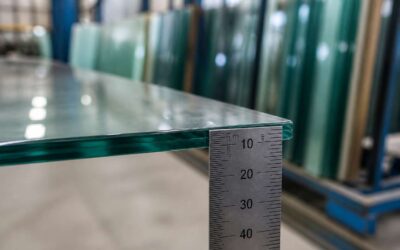
We begin with tempered glass. It’s made by heating ordinary glass and then cooling it rapidly. The result is a hard, scratch-resistant outer layer that acts like a shield. A tough edge helps prevent cracks from minor drops.
- Scratch resistance and clarity
- Impact protection and edge strength
Hydrogel screen protectors are soft and flexible. They cushion impact and can self-heal minor scratches. They cling to curved surfaces and are forgiving during installation, delivering a smooth, tactile surface. In the tempered glass vs hydrogel screen protector debate, hydrogel often wins on curved displays while glass shines on flat screens.
What hydrogel is and how it works
In South Africa, one in three phone screens cracks within a year of daily use, a stat that makes protection feel essential. Clarity, feel, and protection converge as screens face daily wear.
Hydrogel screen protectors are soft and flexible, hugging curves with forgiving installation. They cushion impact and can self-heal minor scratches, keeping the display pristine and tactile.
- Self-healing scratches
- Curve-conforming adhesion
- Gentle installation
Tempered glass offers a hard, scratch-resistant surface and crisp clarity on flat screens, with sturdy edge protection against micro-drops. When weighing tempered glass vs hydrogel screen protector, usage and display shape guide the verdict.
Weaving together form and function, each shield carries its own poetry—one gleaming when the surface lies flat, the other forgiving and responsive on curves that swirl to life on every South African morning.
Key materials and tech used in each type
South Africa’s screens crack with stubborn frequency—one in three shatter within a year, a statistic that puts protection at the top of every choice. In the quiet drama of tempered glass vs hydrogel screen protector, materials whisper their truths—firm resolve against graceful flexibility.
Tempered glass relies on chemically strengthened aluminosilicate glass, layered with a hard surface, a slim adhesive film, and an oleophobic coating that resists fingerprints. It preserves crisp clarity on flat canvases and offers sturdy edge protection.
- Soft, flexible hydrogel polymer network
- Water-rich matrix with a gel-like adhesive
Hydrogel embraces contour with a pliant, water-rich polymer matrix—crosslinked polyacrylate—paired with a gel-like adhesive that hugs curves and facilitates gentle installation. This pairing preserves touch accuracy where glass would struggle on edges and bends.
Best use cases for each protector
One in three screens shatter within a year here in South Africa, a stark cost of everyday life. Understanding tempered glass vs hydrogel screen protector helps you pick with confidence. Each option plays a different strength card for real-world use.
Best use cases come into play when protection aligns with device and routine. Consider these scenarios:
- Flat screens where crisp clarity matters and fingerprints are manageable.
- Active use and frequent drops, where edge protection and impact resistance pay off.
- Devices with curved edges or flexible displays, where hydrogel’s pliancy hugs every contour.
Choosing the right protection shapes maintenance and touch experience long into the future.
Protection and durability: comparing performance
Scratch resistance and edge durability
In the bustling South African urban landscape, protection is peace of mind. When weighing tempered glass vs hydrogel screen protector, durability is more than a surface claim—it shapes how a device ages after the first drop and the daily grind.
Scratch resistance: tempered glass often carries a 9H hardness and resists everyday abrasions from keys and coins, keeping the display clearer longer. Hydrogel shields tend to resist minor scuffs but can show micro-scratches with heavy use; some formulations offer self-healing surfaces that smooth out tiny marks over time.
Edge durability and fit hinge on construction. Tempered glass is rigid and can crack at vulnerable edges after a sharp impact. Hydrogel’s flexible membrane hugs curved edges and tends to maintain a seal longer in busy pockets and bags.
- Edge resilience on curved screens
- Clearer glass vs flexible film trade-offs
- Cost and replacement cycles
Impact protection and drop reliability
Protection is peace of mind in a city that never rests. In a world of late trains and busy pockets, screens take the hit first. When weighing tempered glass vs hydrogel screen protector, you’re choosing how your device ages after the first drop. I’ve seen both perform well—depending on the daily grind you survive here in SA!
Impact protection and drop reliability hinge on flexibility and rigidity. Tempered glass stands up to sharp edges and hard surfaces, then risks cracking at vulnerable corners on a hard thump. Hydrogel spreads the shock with a flexible film, maintaining a seal on curved edges and reducing micro-bounce damage after minor drops.
- Edge-fitting on curved screens
- Seal longevity in pockets and bags
- Replacement cycles and cost considerations
Longevity and wear over time
Cities never sleep, and neither do screens. In bustling South Africa, phones juggle commutes, rain, and pockets with equal bravado. Protection isn’t decorative—it’s a quiet shield that shapes how a device ages. When weighing tempered glass vs hydrogel screen protector, your choice writes the next chapter of durability: one preserves a crisp, glassy feel; the other disperses shocks with flexible grace.
Over time, the differences reveal themselves in small, telling ways:
- Edge sealing around curved screens holds up under repeated taps and minor drops.
- Clarity and touch responsiveness stay steadier with rigid protection, but corners carry greater crack risk.
- Replacement cycles and cost drift as material, retailer, and region shape maintenance.
Ultimately, the right match aligns with everyday rhythm and lasting clarity.
Self-healing properties and maintenance needs
In South Africa’s busy rhythm, a phone screen earns its keep through protection, not vanity. ‘Protection is quiet stewardship,’ and the choice between tempered glass vs hydrogel screen protector writes the next chapter of durability: a glassy, crack-resistant surface or a flexible shield that absorbs the bounce.
Self-healing surfaces? Hydrogel can mask micro-scratches and keep touch feel smooth for longer, while tempered glass stays crisp but won’t mend cracks. Maintenance follows form: gentle cleaning for hydrogel; careful handling and edge protection for glass.
- Cleanliness matters: microfiber wipe and mild soap keeps hydrogel clear; avoid solvents that could cloud the surface.
- Edge care: hydrogel tolerates curved screens well, but tempered glass needs careful handling around edges to minimize cracks.
User experience: touch, clarity, and usability
Touch responsiveness and feel on the screen
“A screen that feels invisible is a screen that’s doing its job,” and in South Africa more people are scrolling than ever; the real test is touch, clarity, and usability. A protector should vanish beneath your fingertip, not distract with drag or glare.
When you compare tempered glass vs hydrogel screen protector, feel matters as much as protection. Tempered glass delivers crisp, glassy touch with precise rejection of accidental taps, while hydrogel glides more smoothly and cushions micro-mistouches, preserving clarity even on bright screens.
- Edge-to-edge smoothness that feels natural
- Consistent touch response across the display
- Minimal fingerprint smudges for easy readability
- Clear visibility under bright lighting
Choosing depends on your routine and how much you value tactile fidelity.
Optical clarity, brightness, and color accuracy
Touch should feel effortless and invisible. In South Africa’s sun-drenched days, optical clarity and true brightness decide who keeps scrolling and who looks away. When evaluating tempered glass vs hydrogel screen protector, you notice how each layer changes how every swipe, letter, and image reads on screen. Clarity, brightness, and color accuracy stay front and center, keeping whites pristine and colors honest, even under direct light. The screen should vanish beneath your fingertip, not glare back at you.
- Optical clarity that stays crisp at any angle
- Brightness consistency under sun and artificial light
- Color accuracy that preserves original tones
Hydrogel glides, cushioning micro-mistouches while maintaining readability. Tempered glass offers a crisp, glassy feedback with precise rejection of accidental taps. The experience is defined by how the screen feels in use and how visuals stay true in any light.
Fingerprint resistance and smudging behavior
South Africa’s sun is no joke: glare is a daily feature. The user experience hinges on touch, clarity, and effortless usability. When you weigh tempered glass vs hydrogel screen protector, you’ll notice two identities: glass offers crisp feedback, while hydrogel cushions your swipes with a forgiving glide. In bright light, readability stays sharp and colors stay true, so you keep scrolling without squinting.
- Tempered glass often features an oleophobic coating that reduces fingerprint oils and smudges, helping prints stay faint in bright daylight.
- Hydrogel screens glide smoothly over the surface and can hide minor smudges temporarily, allowing quick cleans with a wipe.
- Both types tend to clean easily and maintain touch responsiveness in South Africa’s heat and dust.
In practice, the screen should respond to every tap and swipe as if nothing is there, while sunlight reveals how each layer handles contrast and motion.
Glare handling and anti-reflective considerations
South Africa’s sun doesn’t mess around, and users crave screens that respond as quickly as a tap on a hot day. When considering tempered glass vs hydrogel screen protector, the feeling on the finger matters as much as clarity. The crisp feedback of glass contrasts with hydrogel’s forgiving glide, and in glare-heavy hours the difference becomes a quiet drama of contrast and motion.
- glare reduction and anti-reflective behavior
- high touch sensitivity retained
- easy wipe to clear minor smudges
In practical use, you want the screen to behave like an extension of your hands—swift taps and smooth swipes in bright light, with colors staying true as you scroll without squinting.
Installation, maintenance, and cost considerations
Ease of installation and alignment tips
In SA households, a screen shattered by a tumble is a common scare; 68% of users replace their protector within six months—proof that installation simplicity matters. When weighing tempered glass vs hydrogel screen protector, you’ll find differences in fit, maintenance, and cost that ripple through daily use.
Ease of installation and alignment often swing the decision. Tempered glass offers a precise, glassy fit but requires careful alignment; hydrogel feels forgiving, self-adhesive edges help repositioning without air bubbles. For maintenance, both resist daily grime with microfiber wipes, yet the hydrogel may require occasional moisture cleaning to maintain clarity in hot SA summers.
- Upfront cost and replacement cycles
- Warranty coverage and long-term durability
- Accessibility of replacement parts and local service options
Cost considerations vary by device and retailer, but the best choice balances ease of installation, maintenance ease, and total cost of ownership—tempered glass vs hydrogel screen protector is rarely a one-size-fits-all verdict.
Cleaning and maintenance routines
In a fast-paced SA home, a quick, confident fit matters more than lab-perfect alignment! tempered glass vs hydrogel screen protector conversations flood forums, but the metric is how fast you shield your device and keep it usable. tempered glass offers a crisp feel; hydrogel forgives tiny mispositions.
Maintenance centers on a simple routine: microfiber wipe away fingerprints and dust. In SA summers, hydrogel’s occasional moisture cleans restore clarity, while tempered glass resists moisture and needs only the occasional wipe after heat spikes.
Cost considerations hinge on upfront price, replacement cycles, and warranty terms. Map total ownership against usage and local service options.
- Upfront cost vs replacement frequency
- Warranty and SA service coverage
- Access to spare parts locally
Cost comparison and value over time
Speed matters in a busy SA home—and the shield you choose should fit in a minute, not after a lab session. When weighing tempered glass vs hydrogel screen protector, speed wins: you’re protected and back to business in moments, not after a fumbling trial-and-error dance.
Maintenance is delightfully boring: a quick wipe and you’re set. The cost game hinges on upfront price, replacement cadence, and warranty terms—plus how easily SA service centers stock spares.
- Upfront cost
- Replacement cadence
- Local warranty coverage
- Spare-parts accessibility
Cost considerations and value over time come down to total ownership: durability, service reach, and how often you’ll refresh protection.
Device compatibility, case fit, and accessibility
Installation is a theatre in two acts. When you compare tempered glass vs hydrogel screen protector, the choice hinges on your tolerance for precision: tempered glass offers snap-on accuracy, hydrogel relaxes into place with forgiving alignment—ideal for a busy SA home where speed trumps ceremony.
Maintenance is delightfully boring: a quick wipe keeps the surface pristine and responsive. Neither option invites a spa day for your screen—smudges, fingerprints, and the occasional dust mote bow to routine care.
Cost considerations wrap in upfront price, replacement cadence, warranty terms, and how readily SA service centers stock spares. In practical terms, think total ownership—durability, service reach, and how often you’ll refresh protection. Consider the following factors in the SA context:
- Device compatibility
- Case fit
- Accessibility

0 Comments